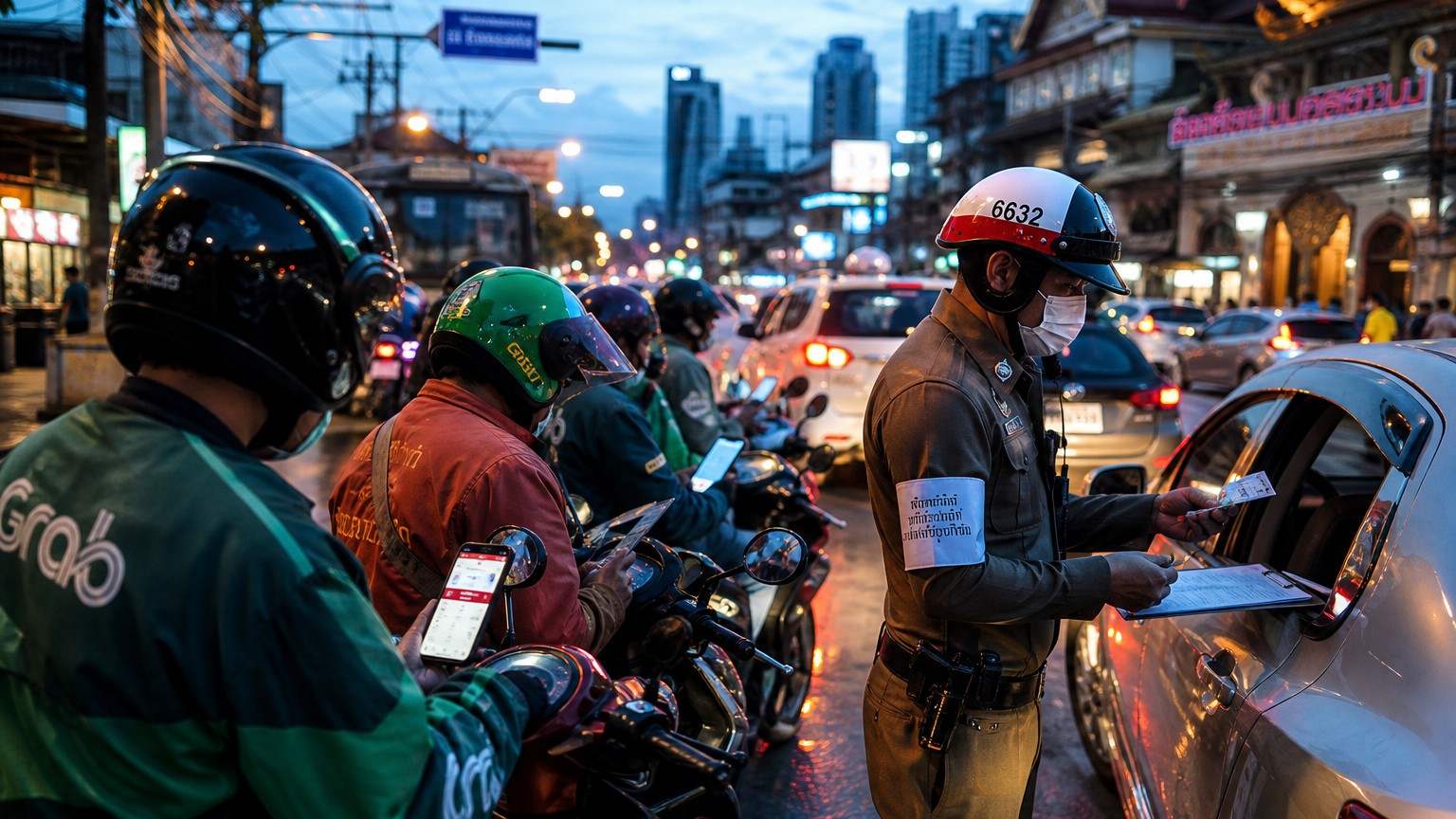
Thailand is considering cutting taxes on oil products as the government looks for additional ways to contain the impact of elevated global energy prices on households and businesses.
Oct 8, 2026
According to Krungsri Research, between 2025 and 2027 Thailand's data center industry is expected to expand at an annual rate of 7.5% to 8.5%, driven by the growing digital economy.
Thailand and Japan are deepening their industrial relationship as both countries reposition supply chains around advanced manufacturing, with Japanese companies submitting more than US$11.72 billion in investment applications across 1,380 projects between 2021 and mid-2026, according to the Thailand Board of Investment. The figure underscores Japan’s continuing importance to Thailand even as Chinese investment has […]
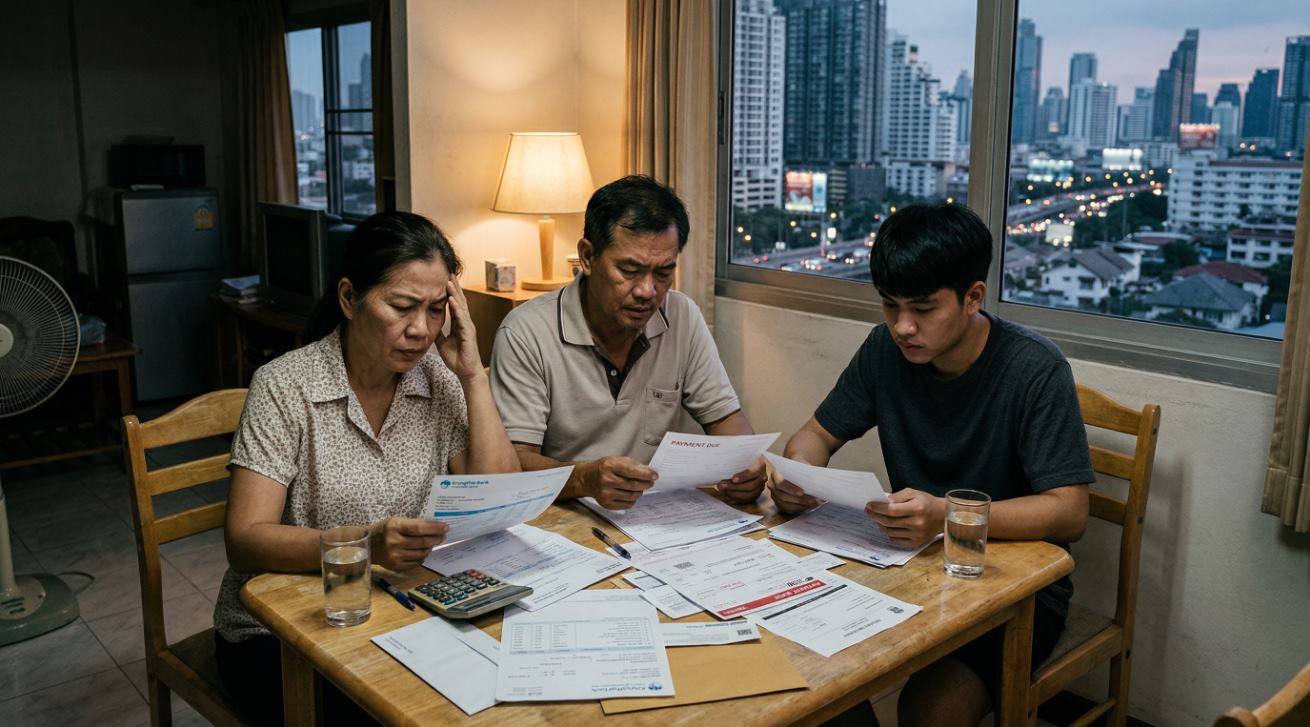
Thailand’s household debt problem is again moving to the centre of the economic debate as Bangkok prepares to host the IMF and World Bank annual meetings. Household debt stood at 85.2% of GDP at the end of June, while average household debt has reached its highest level in 18 years, constraining consumption and making it […]
Thailand’s largest listed companies are on track to absorb almost USD 11 billion per year in climate‑related physical risk costs by the 2050s if no adaptation measures are taken, according to new analysis from S&P Global Sustainable1. The study evaluates 84 companies representing 97% of the SET100 market capitalization and applies high‑resolution climate‑risk modelling to […]
Oct 7, 2026
SCB EIC projects strong economic growth in Asia in 2026, driven by the accelerating global electronics cycle and AI investment. However, the region’s growth faces pressures from high energy prices, uncertainty surrounding US trade policy, and tighter financial conditions, impacting countries differently depending on their energy structure, export base, and role in the global AI […]
Asian equities weakened on Wednesday despite another record-setting session on Wall Street, as rising oil prices and renewed concerns over global bond yields offset optimism about corporate earnings and AI-related growth. The MSCI Asia-Pacific index excluding Japan fell about 0.5%, while Hong Kong and Singapore declined and technology shares in South Korea also came under […]
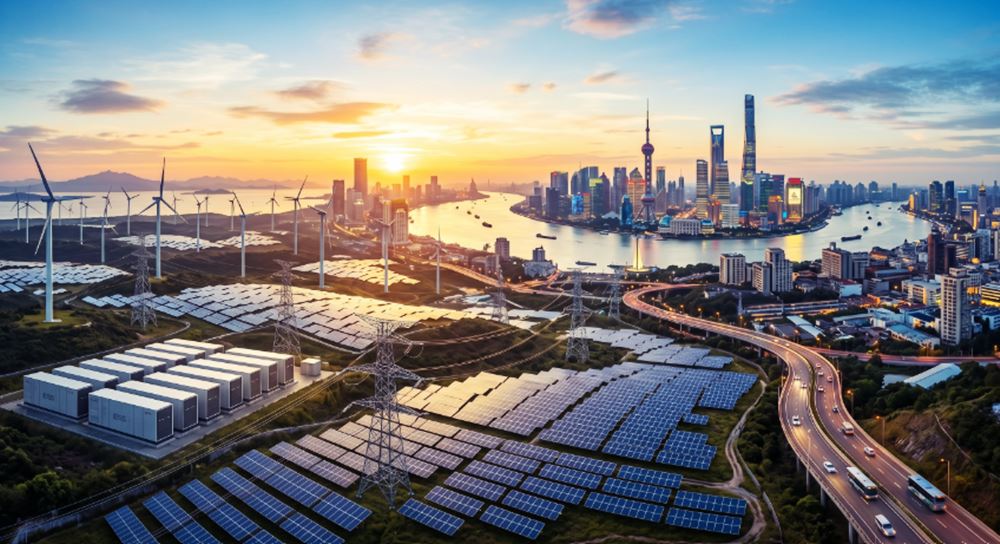
Recent Middle East conflict and oil price volatility have highlighted Thailand’s dependence on imported fossil fuels, prompting calls to accelerate its clean energy transition. A seminar involving energy experts, policymakers, and industry representatives concluded that reducing fossil fuel dependence is now an economic and security necessity, not just an environmental goal, with ASEAN neighbors facing […]
Phuket has won Air Canada Vacations’ 2026 Travellers’ Top Picks Award for Wellness, voted for by Canadian travellers.
Oct 6, 2026
The World Bank has upgraded Thailand’s 2026 growth forecast by 0.7 percentage points to 2.0%, citing stronger exports linked to the global AI boom, but warned that flooding, a potential severe El Niño and weak domestic adoption of AI could limit the benefits. The upgrade comes even as Thailand continues to face unusually heavy flooding, […]
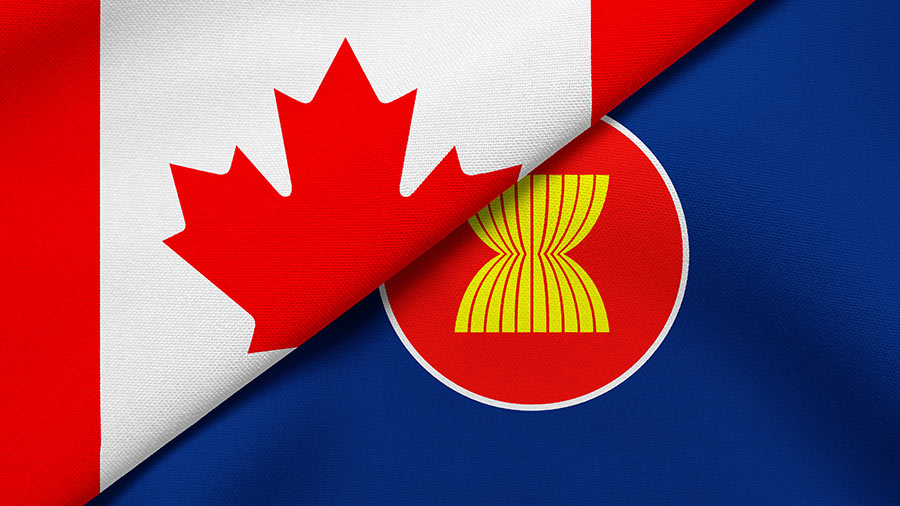
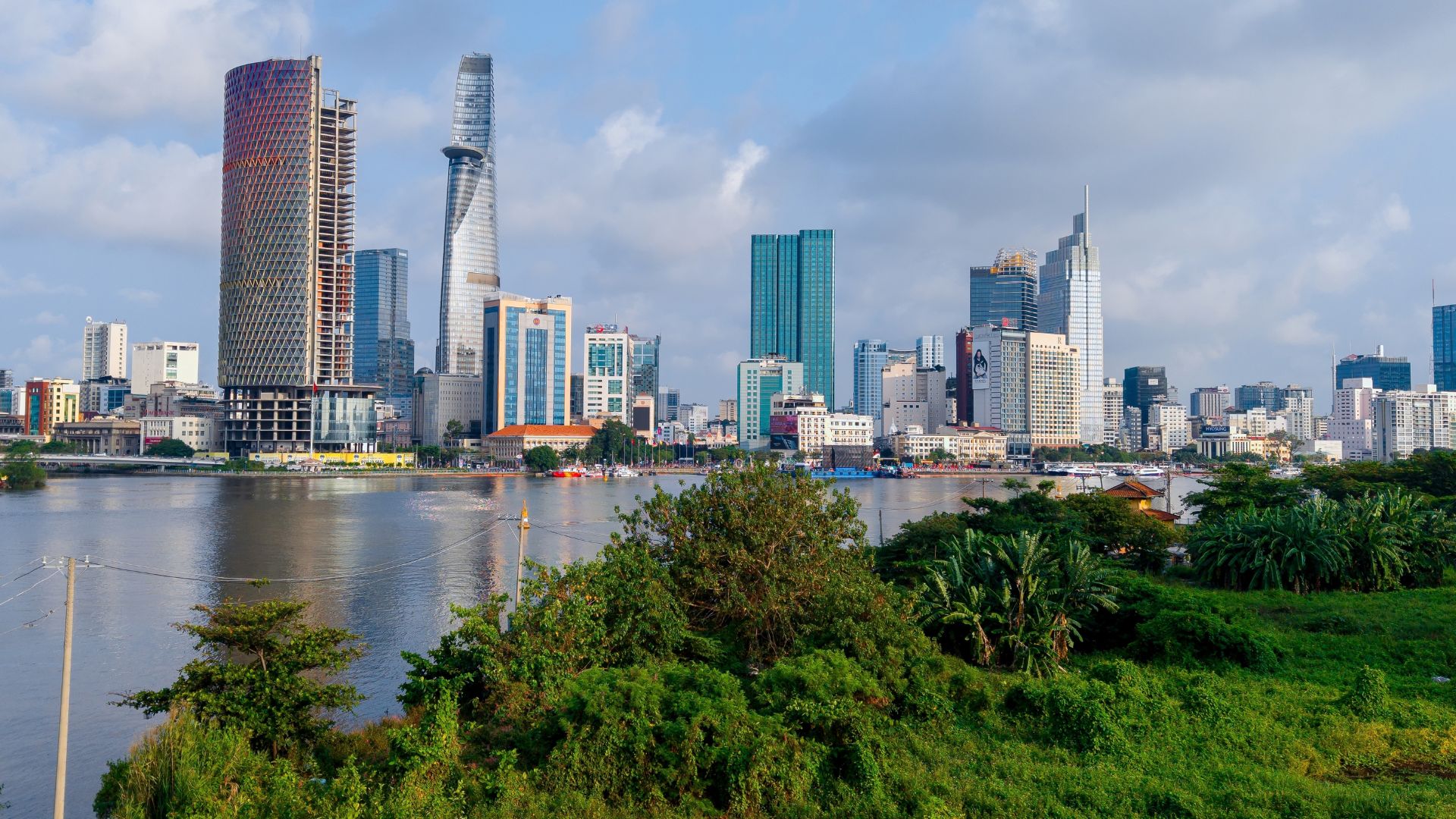
summarize this content to 20 words The proposed ASEAN-Canada Free Trade Agreement (ACAFTA) could reduce trade barriers between Canada and Southeast Asia while creating new opportunities for companies using ASEAN as a manufacturing, sourcing, services, or regional investment base. Canada-ASEAN bilateral merchandise trade reached C$52.5 billion (US$38 billion) in 2025, up 23.6 percent from C$42.4 billion (US$31 billion) in 2024. ASEAN’s member states collectively represented Canada’s fifth-largest merchandise trading partner. From ASEAN’s perspective, Canada ranked as its 16th-largest trading partner and 10th-largest source of foreign direct investment in 2025. ASEAN now comprises 11 member states following Timor-Leste’s admission in October 2025. Where ASEAN-Canada trade and investment stand today Manufacturing in ASEAN frequently involves regional production networks. A product assembled in Vietnam, for instance, may contain inputs from Malaysia, Thailand, or Indonesia. Whether those inputs count toward the product’s originating status could determine whether it qualifies for preferential tariffs when exported to Canada. Canada’s negotiating objectives specifically seek rules allowing the cumulation of materials and production and recognizing existing regional production patterns. If reflected in the final agreement, these provisions could give manufacturers greater flexibility to divide qualifying production and sourcing among ASEAN countries rather than concentrating activities in one jurisdiction solely to obtain tariff preferences.
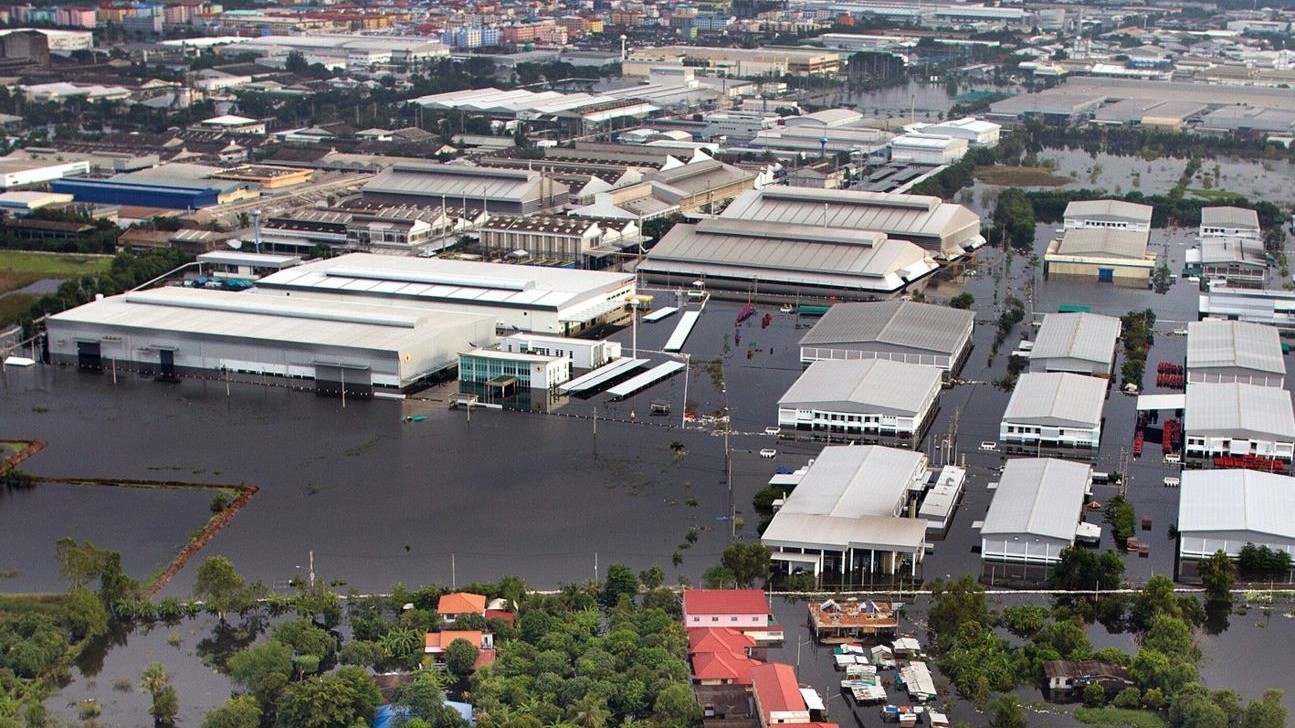
Thailand's floods have disrupted Toyota and Honda production, highlighting supply-chain vulnerabilities that could threaten the nation's automotive dominance as climate risks grow.
Phuket is preparing to host the 2026 Vegetarian Festival from October 9–18, with more than 140,000 visitors expected and at least 1.4 billion baht in local economic activity. Deputy Government Spokesperson Ploytalay Laksmeesangchan stated that the annual festival, locally known as Jia Chai, is a significant cultural tradition that reflects the religious faith and heritage […]