
Pacemaker Implantation at TX Hospitals, Hyderabad
Nov 28, 2026
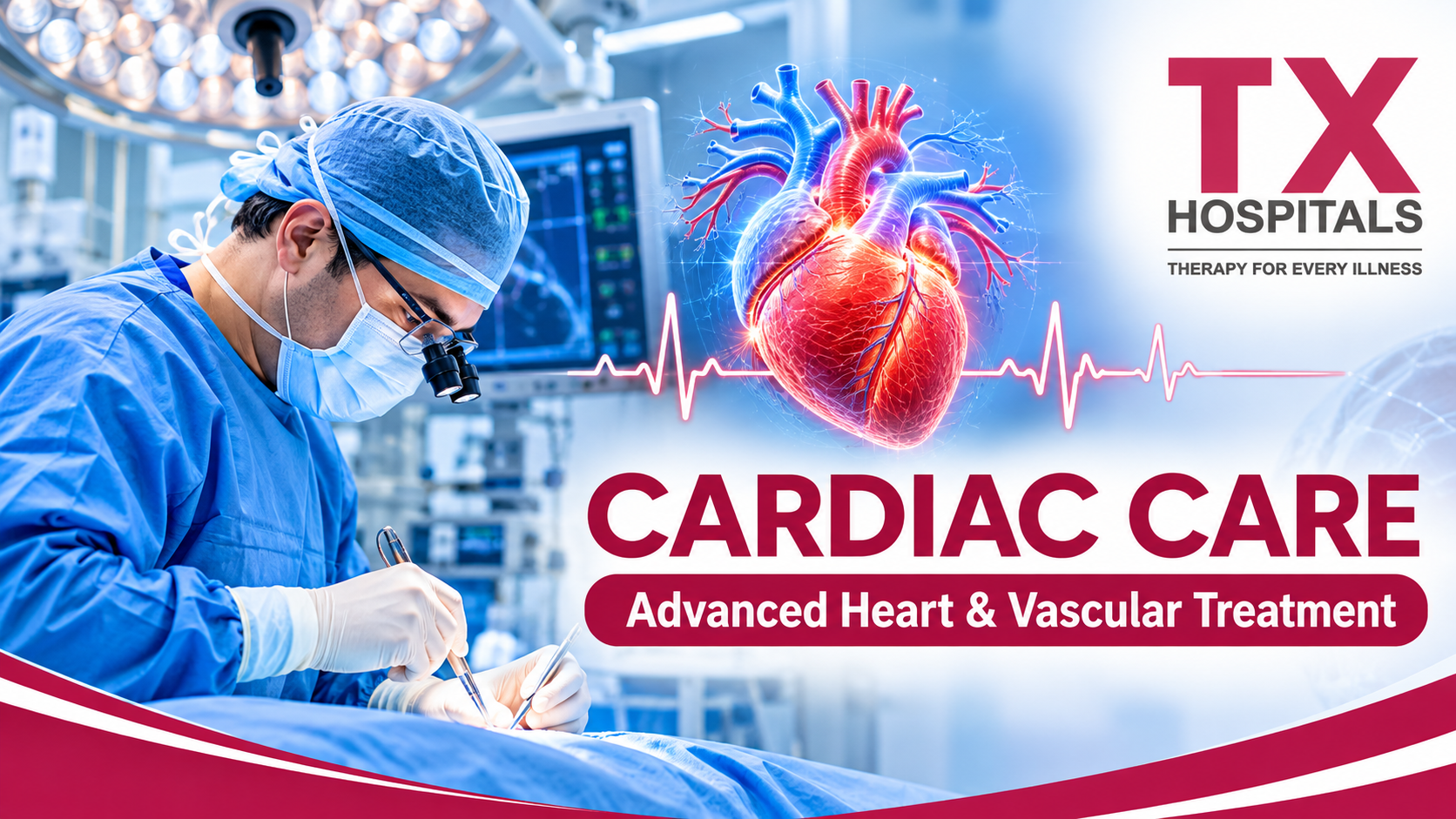
Hyderabad, Telangana Nov 28, 2026 (Issuewire.com) - At TX Hospitals, Hyderabad, pacemaker implantation is performed by our experienced cardiology team to help manage abnormal heart rhythms and slow heartbeats.
What is Pacemaker Implantation?
Pacemaker implantation is a procedure in which a small electronic device is placed under the skin, usually near the collarbone, to help control a slow or irregular heartbeat.
The heart has an electrical system that controls how fast and regularly it beats. When these electrical signals do not work properly, the heart may beat too slowly or irregularly, making it difficult to pump blood effectively.
A pacemaker sends small electrical signals to help the heart maintain a normal rhythm. It has a battery-powered device and, in many cases, thin wires called leads that connect to the heart.
This procedure is recommended for people with certain heart rhythm problems, especially when they cause symptoms such as dizziness, tiredness or fainting.
Why is the Procedure Needed?
Pacemaker implantation may be recommended when the heart's electrical system does not maintain a normal heartbeat.
Doctors may suggest this procedure for conditions such as:
- Slow heart rate (Bradycardia): When the heart beats slower than normal and does not pump enough blood to meet the body's needs.
- Heart block: When electrical signals between the upper and lower chambers of the heart are delayed or blocked.
- Sick sinus syndrome: When the heart's natural pacemaker does not regulate the heartbeat properly.
- Irregular heart rhythms: Certain rhythm disorders may require pacing support.
- Heart failure: Selected patients may benefit from specialised pacemakers that help improve coordination between the heart chambers.
- Heart rhythm disturbances after certain treatments: Some patients may develop persistent electrical conduction problems that require pacing.
The need for a pacemaker depends on the type of rhythm problem, symptoms and cardiac test results. At TX Hospitals, experienced cardiologists provide expert evaluation and treatment, helping patients receive care from some of the best heart specialists in Hyderabad.
Conditions Treated
Pacemaker implantation may be recommended for:
- Symptomatic bradycardia
- Sick sinus syndrome
- Complete heart block
- Certain types of second-degree heart block
- Atrioventricular (AV) conduction disorders
- Selected cases of heart failure requiring cardiac resynchronisation therapy
- Certain rhythm problems associated with pauses in the heartbeat
Not every slow or irregular heartbeat requires a pacemaker. The cardiologist evaluates the underlying cause before recommending implantation.
Symptoms It Addresses
A slow or abnormal heartbeat may cause symptoms such as:
- Dizziness or light-headedness.
- Fainting or near-fainting episodes.
- Unusual tiredness and weakness.
- Shortness of breath.
- Difficulty performing physical activities.
- Palpitations or awareness of an irregular heartbeat.
- Chest discomfort in some cases.
- Confusion or reduced alertness due to inadequate blood flow.
At TX Hospitals, patients considering pacemaker implantation in Hyderabad receive a detailed cardiac evaluation to identify the cause of their symptoms and determine the appropriate treatment.
Risks of Avoiding the Procedure
When a pacemaker is medically recommended, delaying treatment may increase the risk of complications related to an abnormal or dangerously slow heartbeat.
Possible risks include:
- Repeated fainting: Slow heart rhythms may cause sudden loss of consciousness.
- Inadequate blood circulation: The heart may not pump enough blood to meet the body's needs.
- Increased risk of falls: Dizziness and fainting can lead to accidental injuries.
- Worsening heart failure symptoms: Certain rhythm problems may affect the heart's pumping efficiency.
- Severe rhythm disturbances: Some conduction problems can cause dangerous pauses in the heartbeat.
- Cardiac complications: In serious cases, untreated electrical problems may become life-threatening.
Timely treatment can help prevent complications caused by abnormal heart rhythms. At TX Hospitals, experienced cardiac specialists assess each patient's condition and recommend suitable treatment with the expertise of the best cardiac surgeons in Hyderabad.
Types of Pacemaker Implantation Procedures
There are different types of pacemakers. The cardiologist selects the most suitable device based on the patient's heart rhythm and medical condition.
- Single-Chamber Pacemaker: This pacemaker uses one lead to deliver electrical impulses to either the right upper or lower chamber of the heart, depending on the patient's condition.
- Dual-Chamber Pacemaker: This device uses two leads, usually placed in the right atrium and right ventricle, to coordinate electrical activity between the upper and lower chambers.
- Biventricular Pacemaker (CRT-P): Also called cardiac resynchronisation therapy pacemaker, it uses leads to help coordinate the contractions of the heart's ventricles. It is recommended for selected patients with heart failure and electrical conduction problems.
- Leadless Pacemaker: This is a small, self-contained device placed directly inside the heart through a vein, usually in the groin. It does not require traditional pacing leads or a chest pocket.
The right pacemaker depends on the patient's heart condition. At TX Hospitals, experienced cardiologists provide expert care, making it one of the top cardiology hospitals in Hyderabad.
How the Procedure is Performed
Pacemaker implantation is usually performed under local anaesthesia with sedation, depending on the patient's condition and the type of device.
- Preparation
- The doctor reviews the patient's medical history and current medications.
- Tests such as ECG, echocardiogram and blood investigations may be performed.
- The patient's heart rhythm and need for pacing are evaluated.
- Instructions are provided about fasting and adjusting certain medications before the procedure.
- The implantation site is cleaned and prepared.
- The Procedure
- Local anaesthesia is administered near the collarbone.
- A small incision is made below the collarbone.
- For a traditional pacemaker, one or more leads are guided through a vein into the appropriate heart chambers using imaging guidance.
- The leads are connected to the pacemaker device.
- The device is placed in a small pocket under the skin.
- The pacemaker is tested and programmed to suit the patient's heart rhythm.
- The incision is closed using appropriate sutures.
For leadless pacemakers, the device is guided through a vein and placed directly inside the heart without creating a chest pocket.
- Post-Procedure
- The patient is monitored to check heart rhythm and vital signs.
- The pacemaker is tested to ensure it is functioning properly.
- The incision site is checked for bleeding or swelling.
- A chest X-ray may be performed after traditional pacemaker implantation.
- The patient receives instructions about wound care and arm movement.
- Follow-up appointments are scheduled to check device function and battery status.
Procedure Duration
Pacemaker implantation usually takes around 1 to 2 hours, depending on the type of device and complexity of the procedure.
Most patients stay in the hospital for 1 to 2 days. The duration may vary based on their heart condition and recovery.
Benefits of the Procedure
Pacemaker implantation can offer several benefits for patients with specific heart rhythm problems, including:
- Helps maintain an appropriate heart rate.
- Reduces symptoms such as dizziness and fainting caused by slow heart rhythms.
- Improves blood circulation by supporting a regular heartbeat.
- Helps patients perform daily activities more comfortably.
- Reduces the risk of complications associated with certain severe rhythm disturbances.
- Supports better coordination of heart contractions in selected heart failure patients.
The benefits depend on the patient's heart condition and the type of pacemaker implanted.
Recovery & Aftercare
Recovery after pacemaker implantation is usually gradual. Most patients can return to light activities within a few days by following their doctor's advice.
A few simple steps can help with recovery:
- Keep the wound clean and follow care instructions.
- Take medicines as prescribed.
- Avoid heavy lifting and strenuous activities for the recommended period.
- Avoid pressure or injury to the pacemaker site.
- Carry your pacemaker identification card.
- Attend regular follow-up visits to check the device and battery.
Contact your doctor if you notice redness, swelling, pain or discharge near the implant site. Seek immediate medical help if you experience chest pain, fainting or severe breathing difficulty.
At TX Hospitals, patients receive proper care, guidance and regular follow-up, making it a trusted pacemaker implantation hospital in Hyderabad.
Why Choose TX Hospitals for Pacemaker Implantation?
When it comes to pacemaker implantation, accurate diagnosis, proper device selection and regular follow-up are important. TX Hospitals focuses on providing comprehensive cardiac care through:
- Cardiac evaluation: Assessment of heart rhythm problems using clinical examination and diagnostic tests.
- Individualised treatment planning: Selecting the appropriate pacemaker based on the patient's condition.
- Specialist cardiac care: Evaluation and treatment planning by the cardiology team.
- Patient-focused guidance: Clear information about the procedure, recovery and device care.
- Post-procedure monitoring: Checking heart rhythm and pacemaker function after implantation.
- Follow-up support: Guidance on device checks, battery monitoring and long-term cardiac care.
TX Hospitals aims to provide appropriate cardiac treatment and continued support to patients with heart rhythm disorders.
Take the First Step Towards Better Heart Rhythm
Frequent dizziness, fainting, unusual tiredness or an abnormally slow heartbeat should not be ignored. These symptoms may indicate a heart rhythm problem that requires medical attention.
At TX Hospitals, our cardiology team provides evaluation and treatment options for patients with abnormal heart rhythms, including pacemaker implantation when required.
Consult our specialists to understand your treatment options and take the next step towards better heart health.
Call us at 9144514459 or visit the TX Hospitals website to book your appointment.
Media Contact
Best Heart Hospital in Hyderabad TX Hospitals, Top Cardiologist in Hyderabad
Source :TX Hospitals
This article was originally published by IssueWire. Read the original article here.
More News












Recommended




Thailand Business News — Morning Briefing






YOUR NEWS, OUR NETWORK.
Do you have Great News you want to tell the world?
Be it updates about your business or your community, you can make sure that it’s heard by submitting your story to our network reaching hundreds of news sites across 6 verticals.