
When Should PM-HIP Steel Be Used for Abrasive Masterbatch and Engineering Plastic Compounding?
Nov 13, 2026
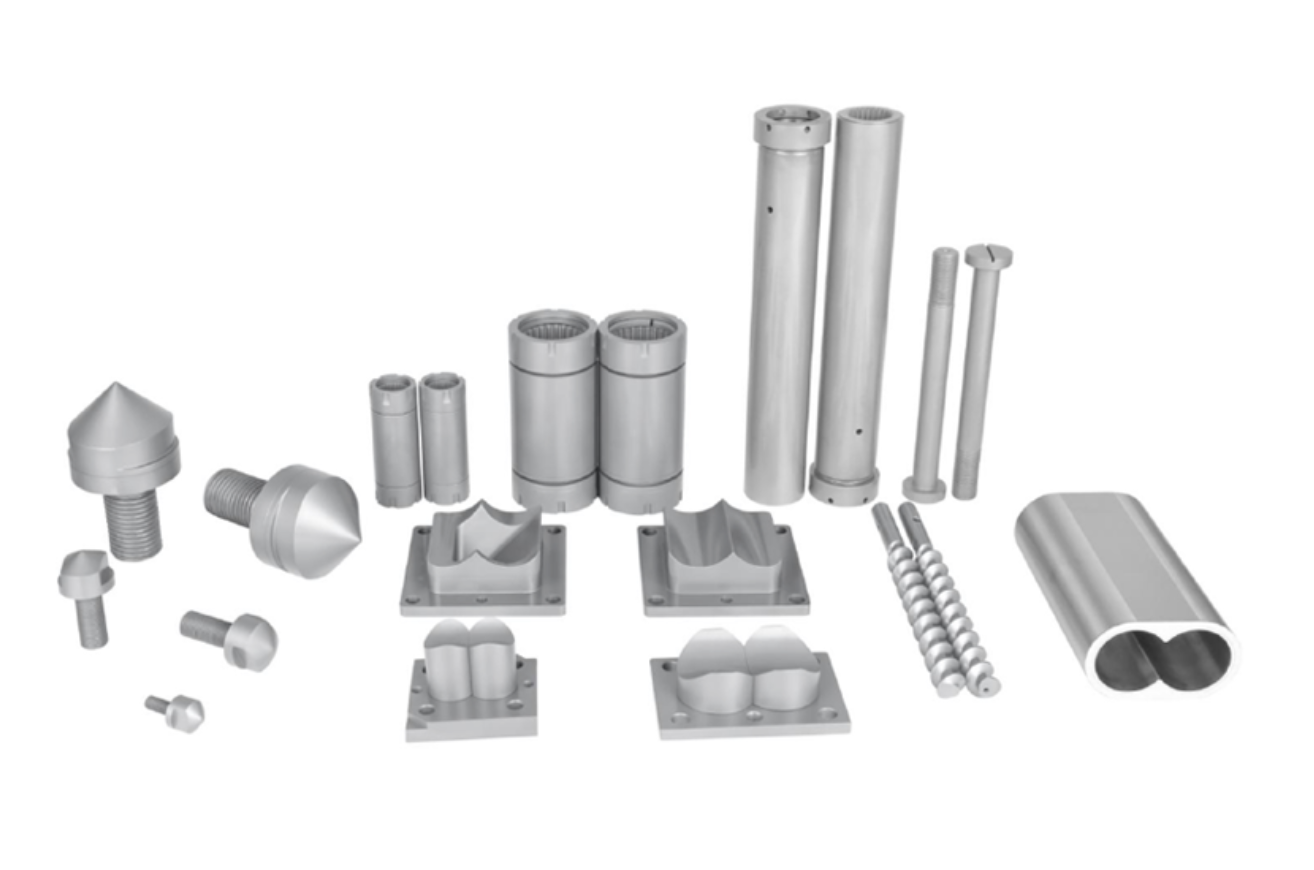
Nanjing, Jiangsu Nov 12, 2026 (Issuewire.com) - When Should PM-HIP Steel Be Used for Abrasive Masterbatch and Engineering Plastic Compounding? Industrial plastic compounding continues to evolve toward higher filler concentrations and more aggressive chemical formulations. Modern processing lines routinely handle dense mineral masterbatches alongside heavily reinforced engineering polymers. Consequently, extruder components endure unprecedented abrasive forces, severe friction, and thermal stress during continuous operation. Under these demanding conditions, conventional nitrided steels and standard tool steels frequently experience accelerated surface degradation. Plant engineers must evaluate advanced metallurgical options to prevent premature equipment failure and maintain process repeatability. Upgrading extruder components to premium PM-HIP Steel (https://www.lesunscrew.com/products/barrel-components/) represents a strategic operational investment rather than a generic spare parts purchase. Powder Metallurgy Hot Isostatic Pressing provides exceptional structural density, uniform carbide distribution, and superior isotropic wear resistance throughout the entire material matrix. However, deploying these high-grade alloys across every section of a twin-screw extruder is rarely cost-effective. Determining the exact operational threshold for adopting PM-HIP components requires a thorough analysis of filler characteristics, processing parameters, and total component wear patterns. The 4-Point Self-Diagnostic Checklist for PM-HIP Adoption Plant managers can utilize four clear operational metrics to diagnose whether their extrusion lines require a metallurgical upgrade. First, filler hardness and particle geometry serve as primary indicators of mechanical wear potential. Standard mineral fillers like calcium carbonate CaCO display moderate Mohs hardness values near 3.0. In contrast, rigid additives such as titanium dioxide TiO, talc, calcined clay, and glass fibers exceed Mohs hardness values of 4.5 to 6.5. Hard glass fiber strands act like microscopic cutting tools against metal surfaces, slicing into soft steel matrices. When processing these highly abrasive additives, standard surface-hardened steels lose dimensional integrity rapidly. Second, filler loading concentration dictates the frequency of particle impacts against extrusion tooling. Compounding lines processing low additive ratios often operate smoothly with traditional steel components. However, when mineral masterbatch concentrations exceed 30% or reach extreme loadings of 70%, particle density inside the melt stream increases dramatically. This dense packing creates severe three-body abrasive wear along screw flights and barrel walls. Third, high torque loads and elevated processing temperatures accelerate mechanical fatigue. Operating continuous extrusion lines at high screw speeds with melt temperatures exceeding 280°C weakens conventional surface coatings. Furthermore, extreme torsional stress causes subtle shaft flexure, increasing localized contact pressure between screw elements and barrel liners. Fourth, synergistic chemical corrosion and mechanical abrasion create destructive degradation cycles. Processing flame-retardant engineering plastics or halogenated polymers releases acidic off-gases at elevated temperatures. These corrosive vapors pit metal surfaces, allowing abrasive fillers to scrape away degraded material even faster. When a compounding line exhibits two or more of these diagnostic indicators, transitioning to PM-HIP components becomes economically essential. Zone-Specific Material Allocation: Screw Elements and Specialty Components Optimizing twin-screw extruder durability requires a targeted material allocation strategy rather than a uniform overhaul. Different functional zones along the screw assembly experience distinct mechanical loads, demanding tailored component selection. In conveying sections, operators must choose between single-flighted, double-flighted, and triple-flighted screw elements based on pressure requirements and wear risk. Single-flighted conveying screw elements generate high axial pressure and handle viscous intake materials effectively. However, the wide flight crests experience significant friction when conveying un-melted abrasive powders. Double-flighted conveying screw elements offer a balanced compromise, providing steady volumetric efficiency and uniform melt transport across standard compounding zones. Meanwhile, triple-flighted conveying screw elements feature narrow flight channels that deliver precise melt distribution and high shear rates. Because triple-flighted designs possess thinner flight tips, manufacturing them from PM-HIP alloy prevents tip rounding and maintains critical clearance tolerances under heavy loads. Kneading blocks operate in intensive plasticating and dispersion zones, enduring the highest mechanical forces within the extruder. Applying PM-HIP alloys to high-shear kneading elements prevents catastrophic edge fracture and minimizes surface pitting. Furthermore, achieving total system longevity requires upgrading associated specialty parts and shaft components. Installing PM-HIP bimetallic barrel liners alongside specialized alloy screw shafts prevents premature wear mismatch between rotating components and stationary walls. High-torque spline shafts engineered from specialized alloy steels absorb extreme torsional spikes, ensuring smooth power transmission to dense PM-HIP screw elements. Application Proof: High-Load Nylon Modification Excellence Real-world industrial data confirms the performance advantages of PM-HIP alloy integration in severe processing environments. A notable technical case study, highlighted inindustrial documentation regarding quality and efficiency (https://www.lesunscrew.com/news/lesun-screw-the-reliable-partner-supporting-quality-and-efficiency-in-nylon-modification.html) in nylon modification, illustrates how advanced metallurgy resolves chronic wear challenges in engineering plastics. Nylon modification presents severe operational challenges due to high processing temperatures and heavy glass fiber loadings. Compounding polyamide materials such as PA6 and PA66 with 30% to 50% glass fiber causes rapid erosion on standard tool steel elements. In continuous production facilities, conventional screw components often suffer severe clearance expansion within a few months of operation. This dimensional loss causes melt backflow, unstable discharge pressure, and significant polymer thermal degradation. By replacing standard components with precision-engineered PM-HIP screw elements, nylon compounding plants extend operational component lifespans by three to five times. The dense microstructure of PM-HIP alloy resists glass fiber plowing, maintaining precise element-to-barrel clearances over extended production campaigns. Consequently, processing lines maintain stable volumetric output, consistent melt homogenization, and lower overall maintenance frequency. Strategic Decision-Making and Lifecycle Support with Nanjing Lesun Screw Selecting the appropriate metallurgical formulation requires comprehensive engineering evaluation and precise manufacturing execution. Partnering with an experienced component manufacturer ensures that compounding enterprises achieve maximum operational reliability without over-specifying materials. Operating advanced production facilities, Lesun Screw (https://www.lesunscrew.com/company-profile.html) (Nanjing Lesun Screw Co., Ltd.) provides complete component engineering, metallurgical consulting, and custom manufacturing services for international extrusion operators. The technical team performs detailed diagnostic audits on worn components, utilizing CMM dimensional inspection and alloy spectroscopy to determine exact failure modes. Based on these empirical findings, Lesun Screw formulates tailored material combinations that match specific processing conditions. Furthermore, Nanjing Lesun Screw Co., Ltd. maintains strict quality control standards throughout every stage of PM-HIP element fabrication, heat treatment, and precision grinding. By combining high-performane screw elements with specialized cold-formed screw shafts, the manufacturer delivers robust drive assemblies capable of withstanding extreme processing loads. This holistic engineering approach enables global compounding facilities to minimize unscheduled downtime, optimize total operating costs, and enhance final product consistency. Discover advanced twin-screw extruder components and technical services at Lesun Screw Official Website (https://www.lesunscrew.com/).
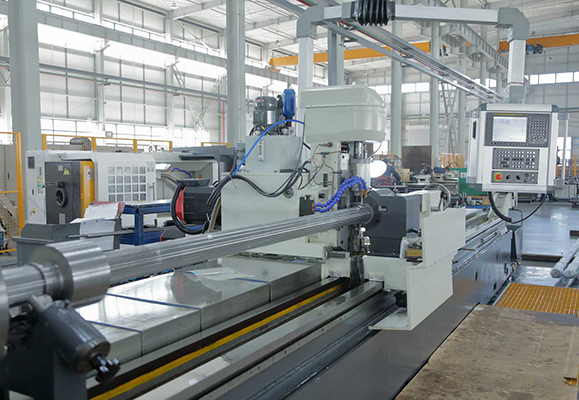
Source :Lesun Screw
This article was originally published by IssueWire. Read the original article here.
More News












Recommended




Thailand Business News — Morning Briefing




Thailand Business News — Morning Briefing


YOUR NEWS, OUR NETWORK.
Do you have Great News you want to tell the world?
Be it updates about your business or your community, you can make sure that it’s heard by submitting your story to our network reaching hundreds of news sites across 6 verticals.